
What to Expect in 2026: Your Property Market Outlook
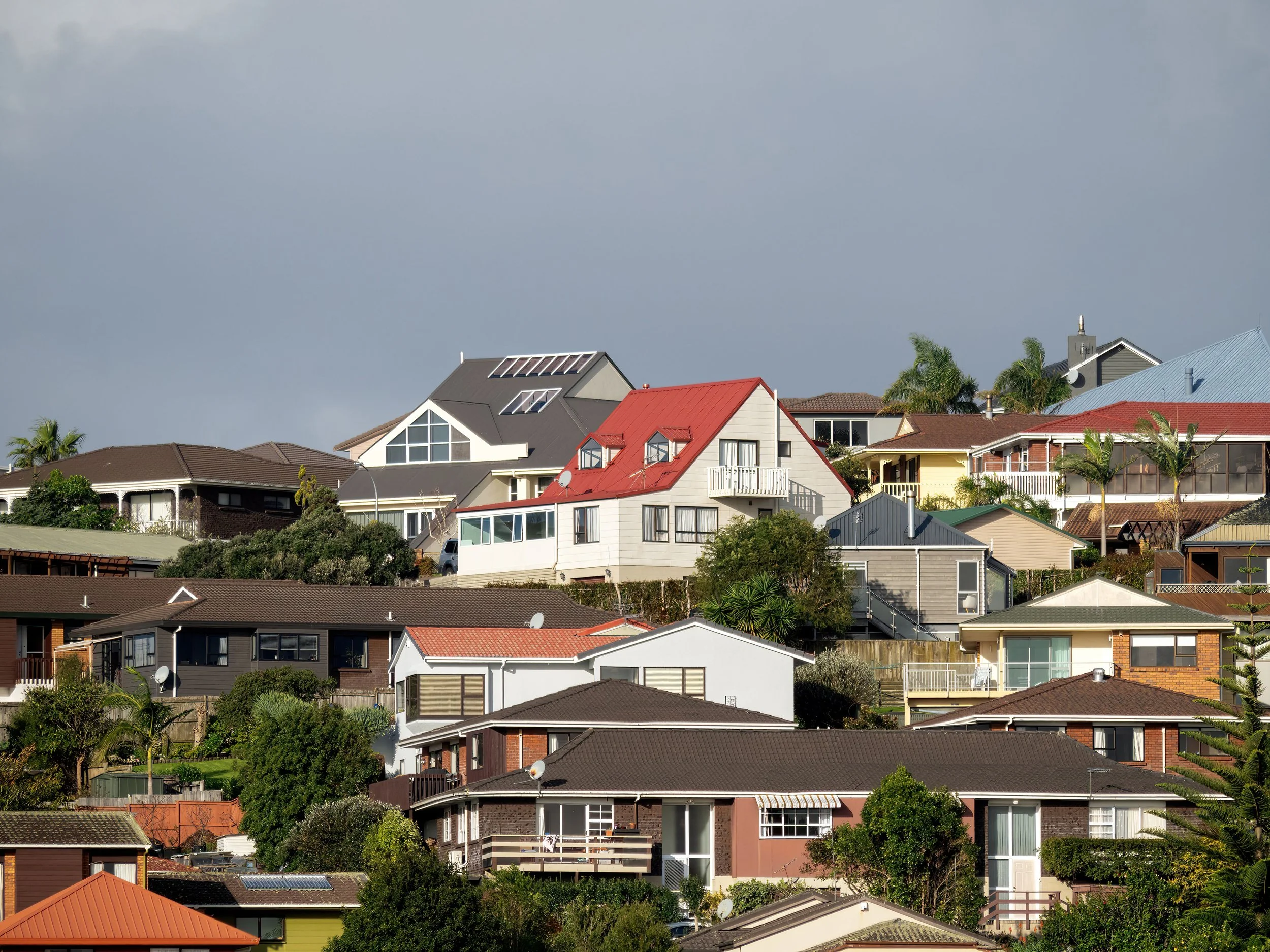
Australia’s housing market is expected to keep growing in 2026, but at a slower, more uneven pace as higher-for-longer interest rates, stretched affordability and tighter credit settings start to bite, while low listings and construction constraints continue to support prices in many areas. For well-financed, strategic investors, this creates a market of selective opportunity rather than a broad-based boom.
Big picture for 2026
Cotality expects more headwinds for housing next year, meaning growth is likely to be softer than in 2025, rather than a sharp downturn. The key shift is in the inflation and interest rate outlook: the RBA now forecasts inflation to remain above its 2–3% target band through 2026, and banks/markets have revised rate expectations higher, reducing the odds of rapid rate cuts.
At the same time, demand-side momentum from 2025 is fading as borrowing capacity hits its limits and some buyers are priced out or delayed. However, national listing volumes remain about 18% below the five‑year average, and new housing supply is still struggling to keep up with household formation, which cushions prices from a more pronounced correction.
Key headwinds investors must watch
Several forces are expected to temper growth and reshape where and how investors buy in 2026. These include:
Higher‑than‑expected interest rates through 2026, keeping repayments elevated and borrowing power constrained.
A new macroprudential cap from APRA: from February, lenders will be limited to 20% of new loans with a debt‑to‑income (DTI) ratio of six or more, across both owner‑occupiers and investors, which will particularly affect highly leveraged borrowers and expensive markets.
Affordability ceilings in the major capitals: on Cotality’s estimates, a dual‑income household on average weekly earnings can “safely” afford a purchase around 1.15 million, only slightly above the combined capitals’ median house value of about 1.112 million at the end of November.
A gradual rise in unemployment through 2025 that is likely to carry into 2026, potentially slowing wage growth and dampening purchasing power if prices continue to rise.
These factors do not necessarily spell falling prices nationally, but they increase the likelihood that growth concentrates in lower‑priced segments, stronger local economies, and select regional and mid‑tier city markets.
Demand, population and rental trends
Population growth is expected to moderate as net overseas migration normalises from its recent highs, easing some pressure on demand over 2025–26 and 2026–27. The federal Centre for Population projects annual population growth to slow from around 1.6% now, to 1.3% in 2025–26 and 1.2% in 2026–27.
Even with softer population growth, total housing demand is still running ahead of completions. In the year to June 2025, there were an estimated 227,000 additional households formed versus about 175,000 dwelling completions, underscoring a persistent supply shortfall, especially in high‑amenity and employment‑rich locations. This imbalance, combined with low listing volumes and the option for many owners to “sit tight” if conditions weaken, is expected to keep rental markets relatively tight, even though national rent value growth eased compared to the recent peak.
Why lower‑value markets may lead
One of the clearest themes from 2025—and likely to continue into 2026—is the outperformance of more affordable markets and segments. In 2025, the strongest value growth nationally was recorded in lower‑priced house and unit markets such as Kalbarri in regional WA (house values up 40.2% with a median of about 515,000) and Gray in Darwin units (up 33.3% with a median around 344,000).
By contrast, the upper quartile of major city markets like Sydney saw softer conditions as affordability constraints and borrowing limits pushed buyers down the price spectrum. For 2026, Cotality anticipates that these lower‑value markets will continue to outperform, as investors and priced‑out owner‑occupiers seek relative value, stronger yields, and lower entry prices.
What this means for investors like you
For smart, well‑positioned investors, 2026 will be less about “riding the wave” and more about precision: choosing the right market, price point, and dwelling type. Conditions favour investors who:
Maintain strong borrowing capacity and buffers to comfortably handle higher‑for‑longer rates and possible further credit tightening.
Target markets with a combination of relative affordability, tight rental conditions, and local economic resilience—particularly select lower‑price capital city suburbs and regional centres where supply pipelines are constrained.
Focus on yield and total return, rather than purely chasing capital growth, with an eye on suburbs where rental growth has been strong and gross yields remain attractive relative to national averages.
The latest national data from Cotality points to a year of shifting dynamics in 2026 but also a year rich with opportunity for investors who are selective, data‑driven, and prepared to think beyond the traditional blue‑chip postcodes. Discover the full suburb‑by‑suburb breakdown, performance tables and detailed city and regional commentary in Cotality’s “Best of the Best 2025” report.
