
Australia’s Housing Crisis Is Not Being Solved — Why the Next 20 Years is Creating a Major Property Wealth Opportunity!
Australia Needs More Homes Than It Can Build — And That Supply Gap Could Reshape Wealth Creation
Australia’s housing shortage is becoming one of the defining economic challenges of the next two decades.
For years, Australians have debated interest rates, affordability and market cycles. However, one fundamental issue continues to remain:
Australia is adding people faster than it can build homes.
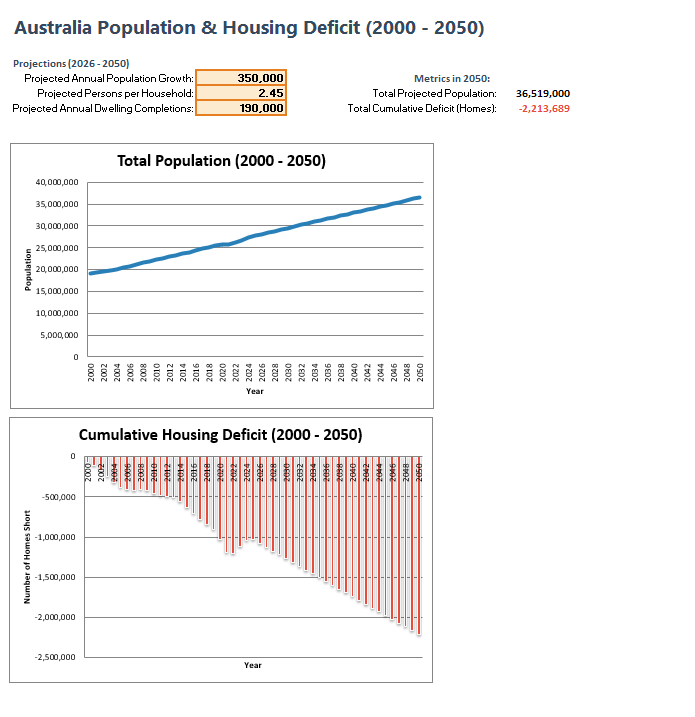
The result is a structural supply shortage that is unlikely to disappear quickly.
Population growth continues to increase demand for housing, while construction capacity, planning constraints and rising building costs limit how quickly new homes can be delivered.
For Australians looking to build long-term wealth, this creates an important question:
Could owning the right property, in the right location, with the right strategy, become increasingly important over the next 20 years?
The data suggests housing supply will remain one of the biggest factors influencing Australia’s property market.
The Numbers Behind Australia’s Housing Supply Crisis
Population Growth Has Outpaced Housing Construction

According to the Australian Bureau of Statistics, Australia’s population reached approximately 27.8 million people by December 2025, growing by more than 400,000 people in the previous year alone.
The population increase has been driven by:
Net overseas migration
Natural population growth
Interstate migration
During the post-pandemic recovery period, Australia experienced one of the largest migration-driven population increases in its history.
Between 2023 and 2025:
FactorImpactPopulation growth~1.5 million peopleNew homes completed527,222 dwellingsDemand exceeding supplyNearly 1 million people
The result:
Australia added people at almost three times the rate it delivered completed homes.
Migration Is Adding Hundreds of Thousands of New Housing Needs Each Year
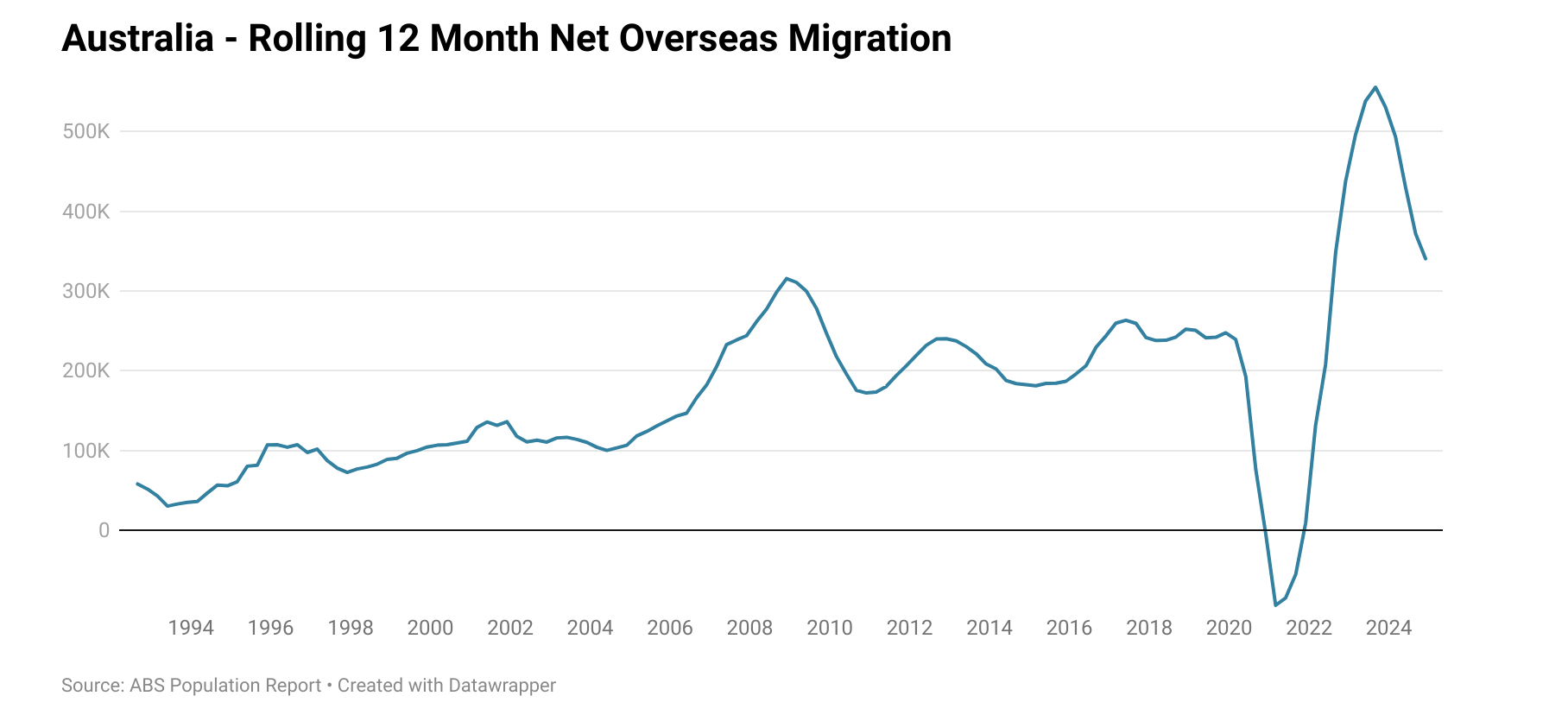
Population growth has historically been a major driver of housing demand.
Australia’s net overseas migration has remained elevated following the reopening of international borders.
ABS data shows:
Net overseas migration was approximately 306,000 people in 2024–25.
Temporary students remained one of the largest migration categories, contributing significantly to population growth.
Every additional population increase creates demand for:
Rental accommodation
Owner-occupied housing
New developments
Infrastructure
However, housing supply does not respond immediately.
A person can arrive in Australia today.
A new home may take years to be approved, financed and constructed.
That timing mismatch is one of the biggest reasons Australia continues to experience housing pressure.
Australia Is Falling Behind Housing Delivery Targets
The scale of the challenge is recognised by governments.
The Australian Government’s National Housing Accord established a target of building 1.2 million new homes over five years from July 2024.
That requires approximately:
240,000 homes per year.
However, the construction industry faces significant barriers:
Labour shortages
Higher construction costs
Builder insolvencies
Planning delays
Higher financing costs
Recent ABS building activity data shows construction remains under pressure, with dwelling commencements continuing to fluctuate and supply delivery remaining challenging.
The problem is not simply approving more homes.
The challenge is actually building them.
Why Australia Cannot Fix the Housing Shortage Quickly
1. Construction Capacity Has Limits
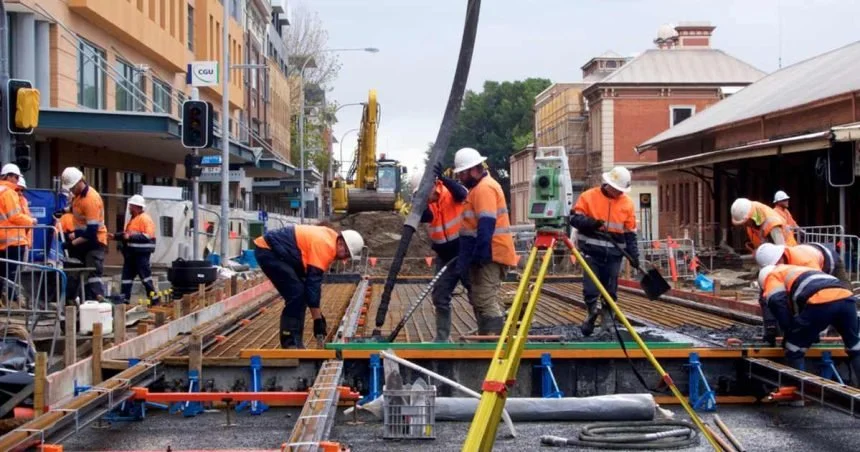
Australia does not have unlimited building capacity.
The construction industry requires:
Skilled trades
Materials
Developers
Engineers
Finance
Infrastructure
After COVID-19, construction costs increased significantly due to supply chain disruption and labour shortages.
Many projects that were financially viable before the pandemic became difficult to deliver.
This reduced new housing supply.
2. Planning Delays Restrict Supply
Housing is not built where demand exists instantly.
New developments often require:
Council approvals
Infrastructure upgrades
Environmental assessments
Community consultation
This creates a significant delay between population growth and housing delivery.
3. Australia’s Population Is Becoming More Concentrated
Population growth is not evenly distributed.
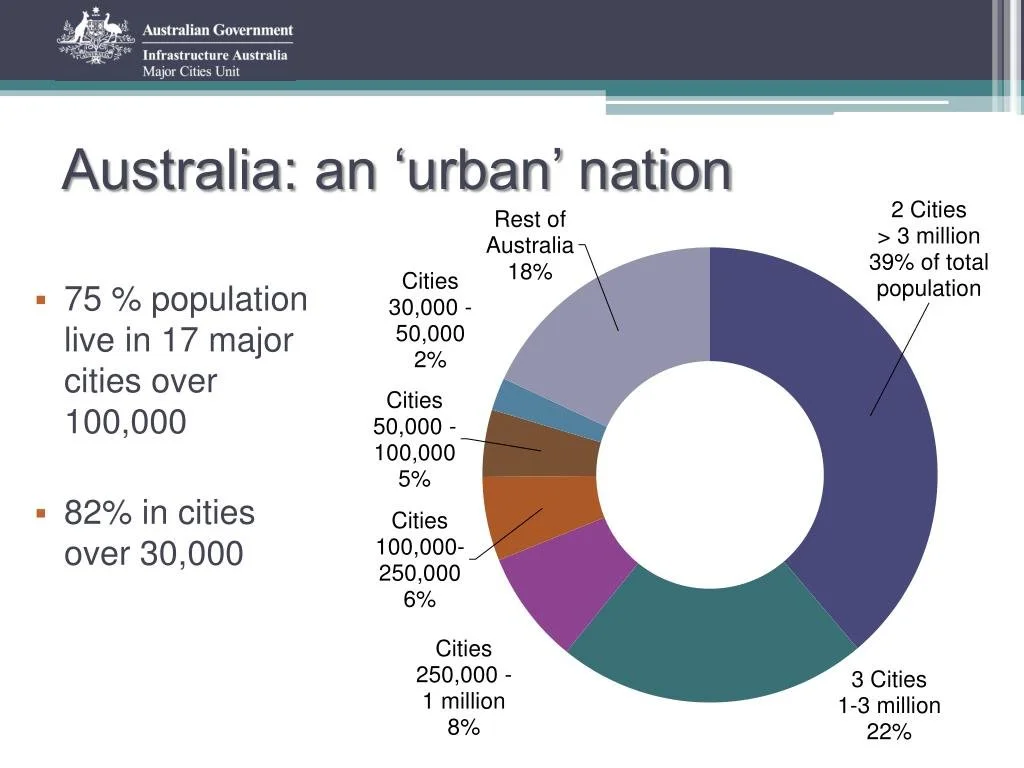
Australians are increasingly moving towards areas offering:
Employment opportunities
Lifestyle advantages
Infrastructure
Education
Healthcare
This creates pressure in specific locations.
The challenge is not just the number of Australians.
It is where Australians want to live.
Queensland: A Case Study of Demand Outpacing Supply
Queensland has emerged as one of Australia’s strongest growth markets.
Since the pandemic, Queensland has attracted:
Interstate migrants from Sydney and Melbourne
Retirees seeking lifestyle locations
Workers following economic opportunities
International migrants
Queensland has captured a significant share of Australia’s population growth.
However, housing delivery has not matched demand.
This creates a classic supply-demand imbalance:
More people competing for fewer available properties.
Brisbane Demonstrates the Impact of Structural Demand
Brisbane has become one of Australia’s strongest property markets since 2020.
The growth has been supported by:
Population Growth
More Australians choosing Queensland has increased demand.
Infrastructure Investment
Major projects have improved economic confidence.
Limited Supply
Available housing has struggled to keep pace.
Lifestyle Appeal
Brisbane continues to attract buyers seeking affordability compared with Sydney and Melbourne.
The result has been significant property value growth.
Brisbane dwelling values have increased substantially since March 2020, reflecting the impact of strong demand and limited supply.
Why This Creates a Long-Term Wealth Creation Opportunity
A housing shortage does not automatically mean every property will increase in value.
Location, asset selection, timing and strategy remain critical.
However, history shows that when demand consistently exceeds supply, quality assets in desirable locations can benefit from long-term scarcity.
This creates several potential advantages for strategic property investors.
1. Property Provides Access to Leverage
One of the biggest advantages of property investment is leverage.
An investor can purchase an asset worth hundreds of thousands of dollars while contributing only part of the purchase price upfront.
For example:
A $700,000 property purchased with a deposit and borrowing strategy gives an investor exposure to the full asset value.
If the property grows over time, the capital growth applies to the entire property value.
This is one reason property has historically helped many Australians accelerate wealth creation.
2. Population Growth Supports Long-Term Housing Demand
Australia’s population is expected to continue growing over coming decades.
More people create ongoing demand for:
Housing
Rentals
Infrastructure
Services
Employment centres
For investors, the key is identifying areas where:
Population growth is strong but housing supply remains constrained.
3. Scarcity Creates Competition
The most desirable property markets often share common characteristics:
Limited land availability
Strong employment
Infrastructure investment
Population growth
Lifestyle demand
When many people want to live in an area but supply remains restricted, competition increases.
That competition can support long-term asset values.
The Biggest Risk For Australians May Be Having No Strategy
Many Australians understand property can create wealth.
The challenge is taking action strategically.
Common mistakes include:
Buying based only on emotion
Choosing properties because they are cheap
Ignoring future population trends
Waiting indefinitely for the “perfect time”
Successful property investment is not about predicting tomorrow’s market.
It is about understanding long-term fundamentals.
Why PWF Believes Strategy Matters More Than Ever
At PWF, the focus is helping Australians understand property as part of a broader wealth creation strategy.
For more than 22 years, PWF has helped Australians navigate property decisions by focusing on:
Research-driven property selection
Long-term wealth objectives
Market fundamentals
Strategic planning
The goal is not simply to buy property.
The goal is to understand:
How can property fit into your pathway towards financial independence?
The Next 20 Years: The Australians Who Plan Early May Have the Advantage
Australia’s housing shortage is unlikely to disappear overnight.
Even with increased construction, the gap created by years of underbuilding will take significant time to address.
The next generation of property wealth creation will likely favour Australians who understand:
✓ Population trends
✓ Housing supply constraints
✓ Growth corridors
✓ Infrastructure investment
✓ Long-term strategy
The opportunity is not simply owning property.
The opportunity is owning the right property, in the right location, with the right strategy.
Australia’s Housing Problem Could Become Australia’s Biggest Wealth Lesson
The housing shortage is a challenge for the nation.
But for Australians who understand economics, demographics and long-term investing, it also represents an opportunity.
Demand is growing.
Supply remains constrained.
Population continues increasing.
The question is not:
“Will Australia need more homes?”
The answer is clear.
The real question is:
“Will you have a strategy to participate in Australia’s long-term property wealth opportunity?”
Build Your Property Wealth Strategy
Discover how a personalised property strategy could help you understand your options and create a clearer pathway towards long-term wealth.
Book your complimentary Wealth Strategy Session with a PWF Property Strategist today.